In one of my recent classes, we had a guest speaker. The speaker was a Black professor of math education. She spoke of one of her favorite high school math classes and math teachers. He was a white Calculus teacher. She loved that class and thought he was a phenomenal instructor.
However, she mentioned that while she adored the class, there was a limit to her connectedness to the class and the teacher. You see, the teacher was a huge fan of Pink Floyd. As such, he would routinely connect with other kids who were into Pink Floyd and similar styles of music. Out guest speaker had never heard or heard of Pink Floyd. That wasn’t part of her cultural lexicon. But it was part of his.
Despite being a good and caring teacher, our speaker felt “othered” as a student as she could not participate in conversations about Pink Floyd.
As she shared this story, I felt extremely convicted. Music is a lexicon I lean on often. I certainly did in the classroom. Also – and I have to be totally honest with myself – I listen to very white music. Indie, rock, twee, hipster, alt-country, whatever you want to call it, I acknowledge that I have a very certain type of music I listen to, most of which feature overwhelmingly white artists. I attend concert festivals which often are very white spaces. As a teacher, the cultural conversations I had in class would often revolve around this type of music. Before class, during downtime, in the hallways: these were generally side conversations.
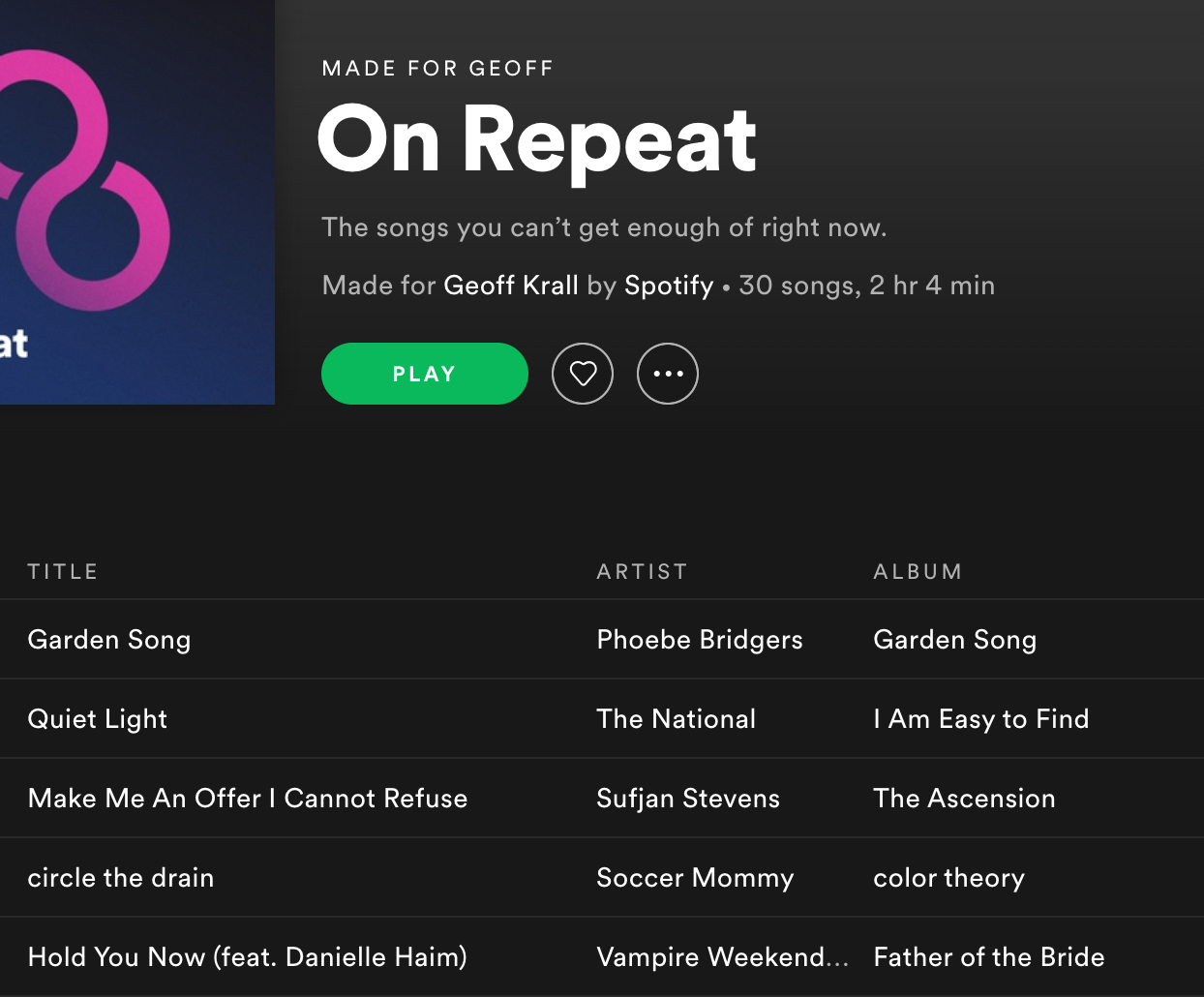
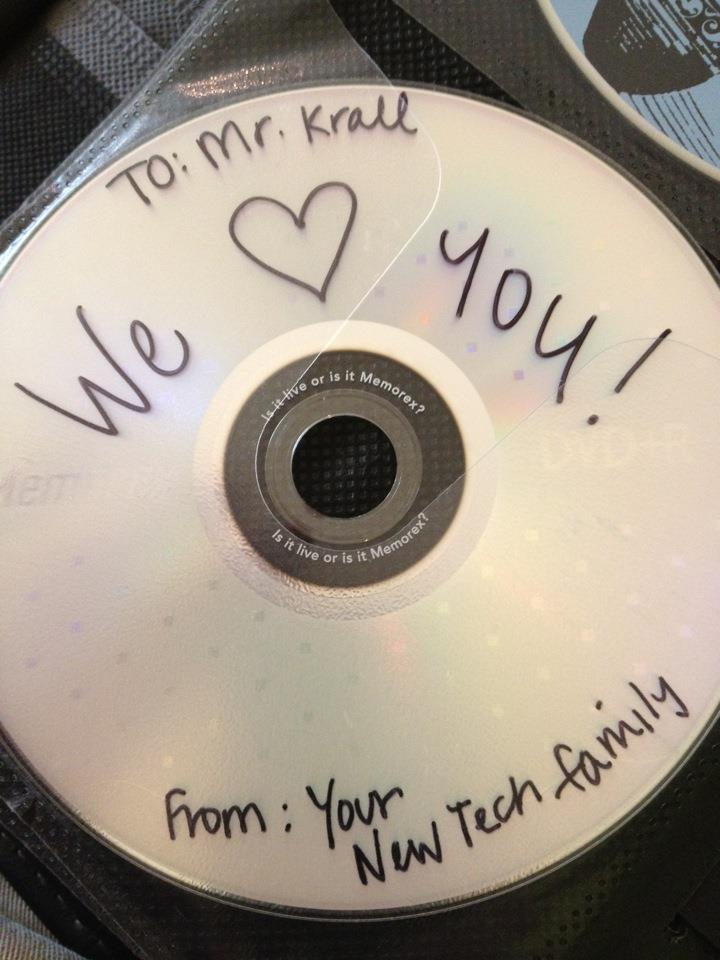
To be clear, I don’t regret showcasing my interest in indie-hipster music. It helped forge a great, still-present bond with my students who happened to be aspiring hipsters. But I wasn’t fully aware at how the bonds I developed with some students in this manner may have raised barriers with others.
It’s not just music though.
Sports is another part of my cultural lexicon in which I often speak and relate. I blog about the intersection between math and sports semi-regularly. I certainly designed and employed sports-related tasks. And, to be sure, it was another way I bonded with some of my students. In particular I invoked my Cleveland fandom as a way to self-flagellate. (It sucks that I left the classroom before the Cavs won the 2016 championship. I’d have loved to rub it in all their little faces) I would even put the NCAA March Madness on my in-room television on mute.
But what about my students who weren’t into sports? What about my students who didn’t listen to the same type of music? Even if I genuinely sought to build connectivity with them, there was a certain “othering” I participated in. Even if I demonstrated active caring to its full extent, I’d still perpetuate the notion of who’s can participate in my cultural conversations and who isn’t equipped with that particular lexicon. It’s a bit more subtle than “finding a common bond.” It’s literally that every niche interest that you demonstrate enthusiasm about is naturally going to exclude those who do not share the same interest.
This isn’t to say don’t incorporate your cultural proclivities in your classroom. It’s not a “don’t use sports tasks” blog post. It’s not even a “you should listen to different types of music” post. Adults have their tastes in leisure activities and ought not be guilted into or out of their preferences. Don’t feign interest in something just because you feel like you should. But it is something to be aware of. And if you find yourself bonding with students over some shared piece of culture, that’s (A) great! and (B) potentially “othering” some students.
Going forward, consider the following questions:
- What kinds of cultural conversations do you have with your students?
- Who is participating in those conversations?
- Who isn’t participating in those conversations?
- How can you make the “out” kids feel “in?”
 emergent math